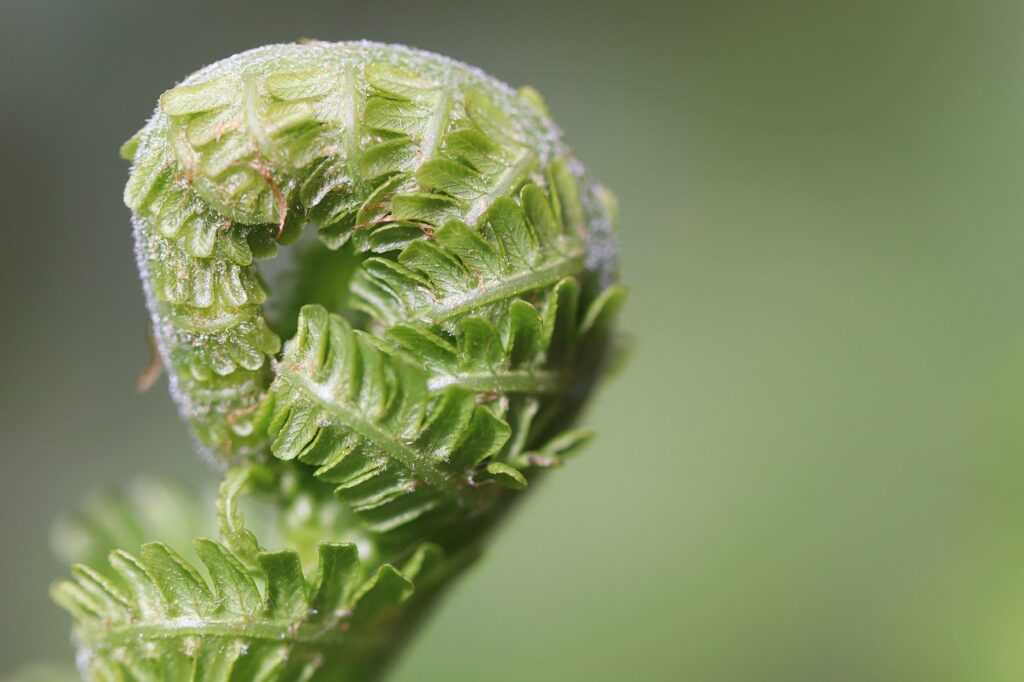
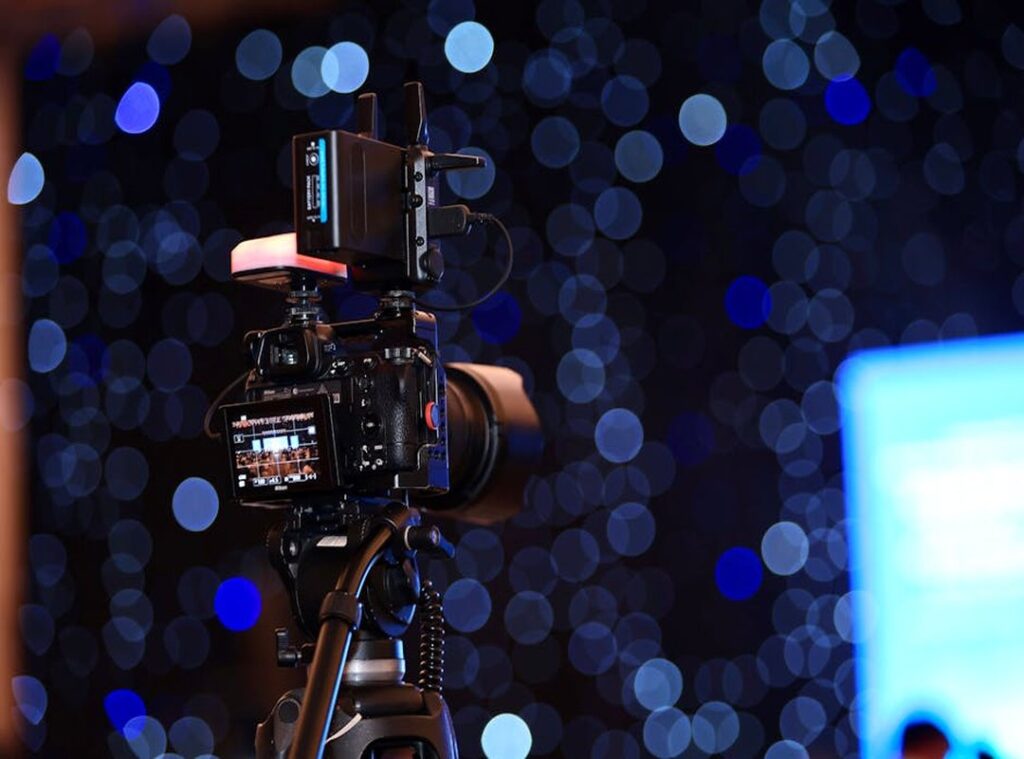
Bokeh effects can make your vidio bokeh full bokeh lights bokeh video hd video look stunning. But let’s be real, it’s not always easy to get that perfect blur.
Many of us struggle with the right lighting or just don’t know where to start.
I’ve been there, and I know how frustrating it can be.
This article will walk you through step-by-step instructions and practical tips.
You’ll learn how to master the bokeh effect in your high-definition videos.
Trust me, I’ve spent years perfecting this.
So, if you’re ready to take your videography to the next level, keep reading.
Understanding the Bokeh Effect
I was shooting a short film last year, and I wanted that dreamy, out-of-focus background you see in professional videos. That’s when I learned about the bokeh effect.
What is Bokeh? The bokeh effect is that beautiful, blurred background you get in high-definition video. It makes the subject stand out and adds a touch of elegance.
Key Components:
– Aperture: A wide aperture (small f-number) lets more light in and creates a shallow depth of field.
– Focal Length: Longer focal lengths (like 85mm or 100mm) help blur the background more.
– Subject-to-Background Distance: Increasing the distance between your subject and the background enhances the bokeh.
In videography, the bokeh effect is essential for creating a professional and aesthetically pleasing video. It draws the viewer’s eye to the subject and adds a cinematic quality.
One time, I was filming a scene with a model, and the background was a busy city street. Using a wide aperture and a longer focal length, I managed to create a stunning vidio bokeh full bokeh lights bokeh video hd video. The result was a beautifully isolated subject against a soft, glowing backdrop.
The bokeh effect isn’t just about making things look pretty. It’s about telling a story and guiding the viewer’s attention. Trust me, once you master it, your videos will never be the same.
Choosing the Right Equipment
When it comes to capturing that perfect vidio bokeh full bokeh lights bokeh video hd video, your equipment matters. Let’s break it down.
Camera Selection:
Go for cameras with large sensors and interchangeable lenses. These give you more control over depth of field, which is key for that dreamy bokeh effect.
Lenses:
Fast prime lenses, like f/1.8 or f/1.4, are a must. They let in more light and create a shallower depth of field, making the background blur beautifully.
Accessories:
Don’t forget about tripods, lens hoods, and filters. A tripod keeps your shots steady, especially in low light. Lens hoods reduce glare and flare, and filters can add creative effects.
Now, let’s compare two popular camera options:
- DSLR vs. Mirrorless:
- DSLRs are known for their robust build and long battery life. They’re great if you need something that can handle rough conditions.
- Mirrorless cameras are lighter and often have better autofocus. Plus, they offer live-view shooting, which is super helpful for nailing that perfect bokeh.
Both have their pros and cons. Choose based on what fits your style and needs.
Setting Up Full Lighting for Bokeh
When it comes to creating stunning bokeh, lighting is everything. Three-point lighting is a classic technique that can be adapted to achieve the perfect bokeh effect.
- Key Light: This is your main light source, illuminating the subject from one side.
- Fill Light: Placed opposite the key light, it softens the shadows and adds dimension.
- Back Light: Positioned behind the subject, it separates them from the background, enhancing the bokeh.
For background lighting, you want to create a smooth, blurred effect. Use soft, diffused lights or even colored gels to add a dreamy quality. The goal is to make the background as uniform and gentle as possible, so the bokeh stands out.
Pro Tip: Experiment with different distances and intensities to find what works best for your setup.
Subject lighting is where you really make your subject pop. You need to ensure they stand out against the blurred background. Use a slightly stronger key light to highlight their features and a softer fill light to balance the exposure.
vidio bokeh full bokeh lights bokeh video hd video can be a great resource to see these techniques in action. It’s all about finding the right balance and experimenting until you get the look you want.
Creating bokeh isn’t just about following rules; it’s about understanding the principles and adapting them creatively. By mastering three-point lighting and tweaking it for bokeh, you’ll set yourself apart from the crowd.
the evolution of game design insight from industry veterans
Achieving the Perfect Bokeh in HD Video
Bokeh. It’s that dreamy, out-of-focus background you see in professional videos. But how do you get it right?
Let’s dive in.
First up, aperture settings. You need a wide aperture to create a shallow depth of field. Think f/1.8 or f/2.0.
This makes your subject stand out while the background blurs beautifully.
Next, focal length matters. Longer focal lengths, like 50mm or 85mm, give you a more pronounced bokeh effect. Shorter focal lengths, say 35mm, can still work but won’t blur the background as much.
Distance management is key too. Position your subject closer to the camera and keep the background far away. This maximizes the bokeh effect.
Simple, right?
Now, let’s talk about positioning. After a few weeks of experimenting, I found that having the subject a few feet from the camera and the background at least 10 feet away works best.
Remember, the goal is to make your subject pop. The vidio bokeh full bokeh lights bokeh video hd video look is all about creating that soft, creamy background.
By tweaking these settings, you can achieve stunning bokeh in your HD videos. No fancy equipment needed—just a bit of practice and patience.
Post-Processing Tips for Enhancing Bokeh
When it comes to enhancing the bokeh effect in your videos, you’ve got a few solid options. I recommend using Adobe Premiere Pro or Final Cut Pro. Both are powerful and user-friendly.
First, let’s talk about bokeh enhancement. You can adjust the blur to make the background more out of focus, which really makes those bokeh lights pop. Adding a subtle glow can also enhance the dreamy, soft look of the bokeh.
Pro tip: Don’t overdo it, and a little goes a long way.
Color grading is key. Choose a color palette that complements the bokeh. Soft, pastel tones often work well.
This creates a cohesive and visually appealing look.
Remember, the goal is to make the vidio bokeh full bokeh lights bokeh video hd video look as natural and beautiful as possible. Keep experimenting until you find the right balance.
Elevate Your Videography with Stunning Bokeh Effects
To achieve a professional vidio bokeh full bokeh lights bokeh video hd video, start by selecting a lens with a wide aperture. Position your subject closer to the camera and the background further away. Use natural light or soft, diffused artificial lighting to enhance the effect.
Post-processing can also help in refining the bokeh, making it smoother and more appealing. With the right equipment, lighting, and post-processing, you can create visually stunning videos. Experiment and practice regularly to refine your skills and produce high-quality, visually appealing content.
 Jessica Battssellers is the kind of writer who genuinely cannot publish something without checking it twice. Maybe three times. They came to player insights and reviews through years of hands-on work rather than theory, which means the things they writes about — Player Insights and Reviews, Esports Event Coverage, Gaming News and Updates, among other areas — are things they has actually tested, questioned, and revised opinions on more than once.
That shows in the work. Jessica's pieces tend to go a level deeper than most. Not in a way that becomes unreadable, but in a way that makes you realize you'd been missing something important. They has a habit of finding the detail that everybody else glosses over and making it the center of the story — which sounds simple, but takes a rare combination of curiosity and patience to pull off consistently. The writing never feels rushed. It feels like someone who sat with the subject long enough to actually understand it.
Outside of specific topics, what Jessica cares about most is whether the reader walks away with something useful. Not impressed. Not entertained. Useful. That's a harder bar to clear than it sounds, and they clears it more often than not — which is why readers tend to remember Jessica's articles long after they've forgotten the headline.
Jessica Battssellers is the kind of writer who genuinely cannot publish something without checking it twice. Maybe three times. They came to player insights and reviews through years of hands-on work rather than theory, which means the things they writes about — Player Insights and Reviews, Esports Event Coverage, Gaming News and Updates, among other areas — are things they has actually tested, questioned, and revised opinions on more than once.
That shows in the work. Jessica's pieces tend to go a level deeper than most. Not in a way that becomes unreadable, but in a way that makes you realize you'd been missing something important. They has a habit of finding the detail that everybody else glosses over and making it the center of the story — which sounds simple, but takes a rare combination of curiosity and patience to pull off consistently. The writing never feels rushed. It feels like someone who sat with the subject long enough to actually understand it.
Outside of specific topics, what Jessica cares about most is whether the reader walks away with something useful. Not impressed. Not entertained. Useful. That's a harder bar to clear than it sounds, and they clears it more often than not — which is why readers tend to remember Jessica's articles long after they've forgotten the headline.