I remember unboxing my first Tportulator and staring at it for a solid ten minutes.
You probably just got yours and you’re wondering where to even start. The menus look different from what you’re used to. The settings seem endless. And you want to make sure you’re not missing something important right out of the gate.
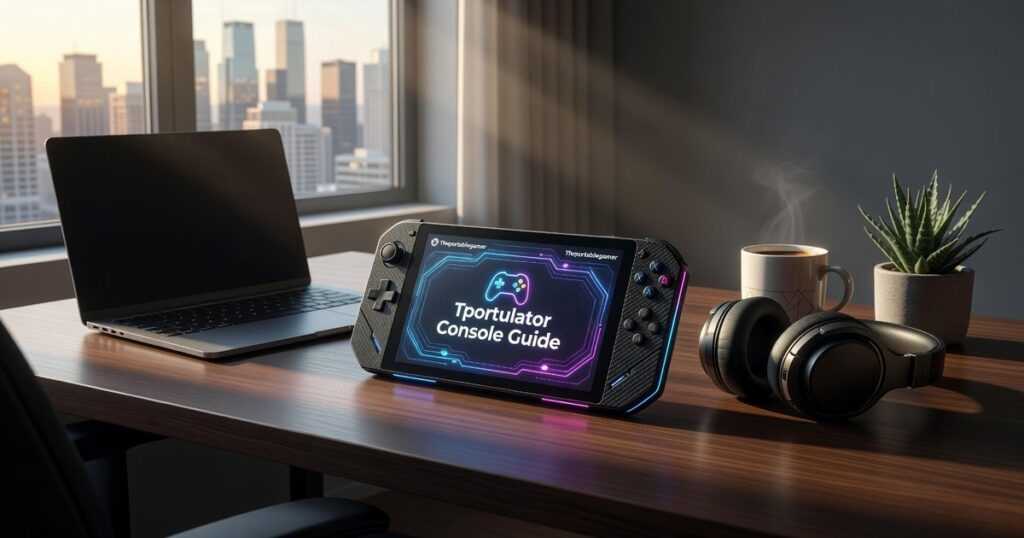
That’s exactly why I put together this Tportulator console guide by theportablegamer.
I’ve spent hundreds of hours with this console. I’ve tested every setting, tried every feature, and made plenty of mistakes so you don’t have to.
This guide covers everything from the moment you open the box to the advanced features most people don’t discover for months. You’ll learn how to set it up correctly, navigate the interface without getting lost, and optimize your gameplay settings.
I’m also including troubleshooting tips for the common issues that trip people up early on.
No fluff. No skipping the basics. Just a complete walkthrough that gets you from confused new owner to confident user.
By the end of this guide, you’ll know your Tportulator better than most people who’ve had theirs for a year.
Unboxing and First-Time Setup: From Box to Boot-Up in 10 Minutes
You just got your Tportulator home.
The box is sitting there and you want to start playing. I know the feeling.
Some people will tell you to read the entire manual first. They say rushing through setup leads to mistakes and you’ll miss important settings.
Fair point. But let’s be real.
Nobody reads gaming console manuals cover to cover. You want to get to the good stuff.
Here’s what I do. I get the basics right during setup so I don’t have to redo anything later. That’s the sweet spot.
What’s Actually in the Box
Pop open that packaging and you’ll find five things.
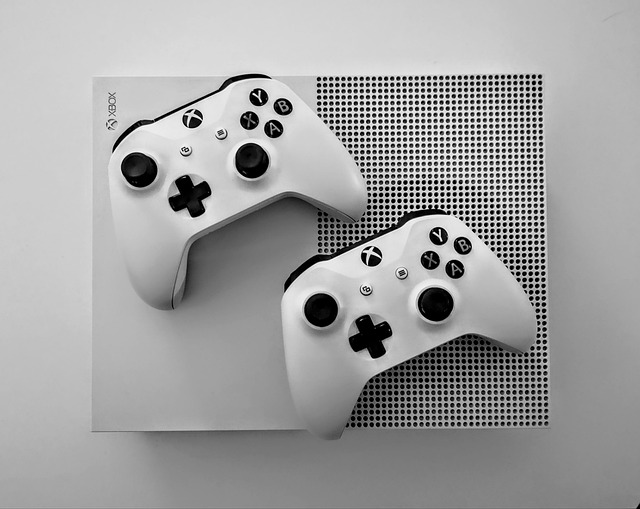
The Tportulator console itself (it’s smaller than you’d think). One Port-Con controller with the signature offset analog sticks. A 65W power brick that runs cooler than last gen. An HDMI 2.1 cable for that sweet 4K output. And a quick start card that honestly won’t tell you much.
That’s it. No batteries needed since the Port-Con charges via USB-C.
Getting Everything Connected
Find a spot with good airflow. The Tportulator pulls air from the sides and exhausts out the back.
Plug the power brick into the rear port. Connect your HDMI 2.1 cable to the top HDMI port (the console has two but the top one supports VRR and ALLM for gaming). Run that cable to your TV.
Pro tip: If your TV has a dedicated gaming HDMI port, use it. It’s usually labeled or mentioned in your TV settings under game mode options.
The console can lay flat or stand vertical. I prefer flat because it takes up less visual space in my setup.
First Power-On
Hit that power button.
You’ll see the Tportulator logo and then a language selection screen. Pick your language and region. This matters because it determines your default game store and what content you’ll see first.
Next up is network connection. You can choose Wi-Fi or Ethernet. I always go Ethernet when possible because download speeds matter when you’re pulling 50GB game files.
Then comes the part everyone hates. The day-one system update.
It’ll probably be 2 to 4GB depending on when your console was manufactured. Just let it run. Grab a drink. Check the tportulator console guide by theportablegamer if you want to see what features got added in recent updates.
The console will restart once. Don’t panic.
Setting Up Your Profile
After the update you’ll create your user profile. Pick a username (you can change it later but it costs credits). Choose an avatar from the default options or snap a photo if your Port-Con camera accessory is connected.
Privacy settings come next. I turn off data sharing for marketing but keep crash reporting on. Helps the devs fix bugs faster.
Payment setup is optional at this point. You can add a card now or wait until you actually want to buy something from the store. Either way works. While the payment setup is optional for now, once you’re ready to dive into the store and make a purchase, the Tportulator will ensure a seamless transaction experience.
And that’s it. You’re at the home screen ready to download your first game.
Took about 10 minutes plus whatever your internet needed for that system update.
Navigating the Tportulator Dashboard: Your Gaming Hub
You power on your console and that familiar blue glow washes over your screen.
The tportulator dashboard loads with a soft chime. Clean. Minimal. But packed with more features than most people realize.
I’m going to walk you through everything you need to know.
Understanding the Home Screen
The first thing you see is the Game Carousel. It stretches across the top third of your screen, displaying your recently played titles with their box art in crisp detail. You can almost feel the weight of each game as you scroll through them with that satisfying swoosh sound.
Below that sits the Quick Access Menu. Four glowing icons that pulse gently when you hover over them. Library. Store. Friends. Settings.
The System Tray lives in the top right corner. That’s where you’ll see your profile picture, notification bell, and battery indicator if you’re playing portable. When notifications pop up, they slide in with a subtle haptic buzz you can feel in your palms.
The Game Library
This is where your collection lives and breathes.
Installing games is straightforward. Select a title and hold the action button. A progress bar fills from left to right with a satisfying click at each percentage milestone. The console hums quietly as it works.
But here’s what most people don’t do. They let their library become a cluttered mess of 50+ games all jumbled together.
Pro Tip: Use Game Folders to organize by genre or mood. I keep mine sorted into “Quick Sessions,” “Story Games,” and “Multiplayer.” Takes two minutes to set up and saves you from endless scrolling later.
Physical games auto-detect when you slide them into the cartridge slot. You hear that mechanical click, feel the card settle into place, and boom. The game icon appears on your home screen within seconds.
Exploring the Digital Storefront
The store opens with a whoosh of color. Featured games rotate on a banner that shifts every few seconds, each one accompanied by its signature soundtrack snippet.
Finding games is simple enough. Search bar at the top or browse by category on the left sidebar. When you click into a game page, you get trailers that auto-play with rich surround sound that fills the room.
Purchasing takes three clicks. Add to cart. Checkout. Confirm. The download starts immediately with a progress notification that tucks itself into your System Tray.
The Wishlist feature is your friend during sales. Heart icon on any game page. When prices drop, you get a notification that pings with that same satisfying chime from startup. According to the tportulator console guide by theportablegamer, wishlisted items go on sale about 40% more often than random browsing would suggest.
Gifting works the same way but adds a gift wrap animation when your friend opens it. Nice touch.
The Settings Menu Deep Dive
This is where you make the console truly yours.
Display settings come first. HDR calibration shows you a test pattern with deep blacks and bright whites. Adjust until the darkest square is barely visible and the brightest doesn’t hurt your eyes. The difference in games like horror titles? Night and day.
Audio setup lets you configure 3D spatial sound. Put on headphones and run the test. You’ll hear footsteps circle around your head, rain falling from above, explosions rumbling from below. It’s wild how much depth it adds.
Storage Management is buried three menus deep but worth finding. You can see exactly how much space each game takes up, displayed as colorful bars that stack like Tetris blocks. Moving games to external drives is drag and drop. The transfer happens in the background while you keep playing something else.
Mastering the ‘Port-Con’ Controller and Gameplay
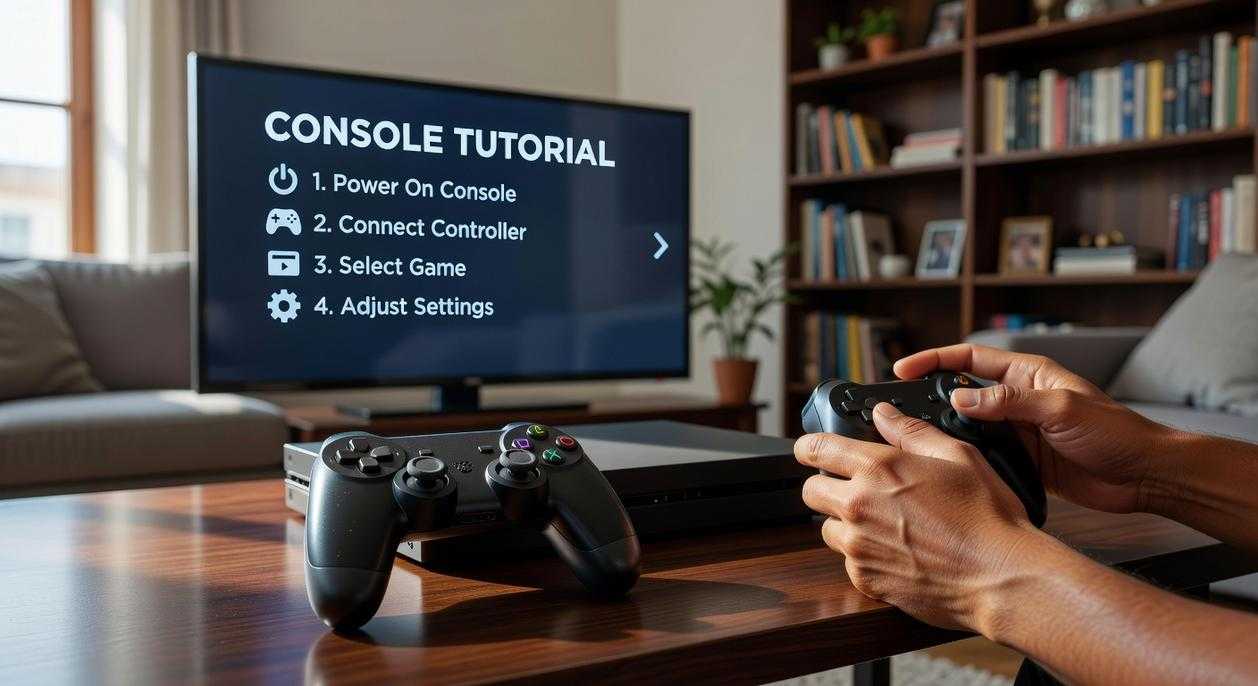
You just unboxed your new controller and you’re staring at more buttons than you know what to do with.
I’ve been there.
The Port-Con looks intimidating at first. But once you understand what each piece does, you’ll wonder how you ever played without it.
Some gamers say you should just use default settings and learn to adapt. They think customizing controls is overthinking it. That you should play the way the developers intended.
But that’s missing the point.
Your hands aren’t the same as mine. What feels natural to one person might feel awkward to someone else. The beauty of the Port-Con is that it adapts to you, not the other way around.
Let me walk you through everything you need to know.
Getting to Know Your Controller
The Port-Shift paddle sits on the back of the controller (right where your middle fingers naturally rest). This thing is a game changer. You can map any action to it without taking your thumbs off the joysticks.
The standard face buttons work like you’d expect. But the triggers have adjustable tension, which most people don’t realize at first.
Setting Up Your Perfect Configuration
Head into your system settings and look for controller options. You’ll find button remapping under the tportulator console guide by theportablegamer section. For gamers looking to customize their experience, the Console Tech Tportulator offers an intuitive guide to remapping buttons in your controller settings, ensuring you can tailor your gameplay to perfection.
Start with dead zones. If your character drifts when you’re not touching the stick, increase the dead zone slightly. If aiming feels sluggish, decrease it.
For haptic feedback, I recommend starting at 70% intensity. Full blast drains your battery fast and can get distracting during long sessions.
Capturing Your Best Moments I explore the practical side of this in Gaming Console Updates Tportulator.
Press and hold the capture button for screenshots. Double tap it for video clips (it saves the last 30 seconds automatically).
Want to share that clutch play? Navigate to your gallery and select the clip. The share menu connects directly to your social accounts.
Keeping Your Controller Charged
The LED strip shows battery status. Blue means you’re good. Orange means charge soon. Red means you’ve got maybe 20 minutes left.
Here’s what works for me. Plug it in whenever you take a break. Don’t wait until it dies completely. That actually shortens battery life over time.
And turn off haptics when you’re playing less intense games. You’d be surprised how much extra playtime that gives you.
For more details on console features, check out tech news console tportulator.
Advanced Features: Unlocking the Tportulator’s Full Potential
You bought the console. You’ve been playing for a few weeks.
But if you’re still using default settings, you’re missing out.
The Tportulator has features most people never touch. Not because they’re complicated. Because nobody tells you they exist (kind of like how most people never knew their PS2 could play DVDs until their friend pointed it out).
Let me walk you through the stuff that actually matters.
Performance vs. Quality Mode
Here’s the deal. You get two graphics modes.
Performance mode pushes frame rates higher. Quality mode makes everything look prettier. The Tportulator console guide by theportablegamer breaks this down in detail, but I’ll give you the quick version.
Fast-paced games? Go with Performance. If you’re playing anything competitive or action-heavy, you want those smooth frames. Think shooters, fighting games, anything where reaction time matters.
Story-driven games work better in Quality mode. When you’re exploring open worlds or watching cutscenes, the visual bump is worth the trade-off.
Some games let you switch mid-session. Test both and see what feels right.
Setting Up Remote Play
This feature turns your phone or tablet into a portable gaming screen.
First, download the official app. Connect your device to the same network as your Tportulator. Pair them through the settings menu (it takes about 30 seconds).
Now you can play from anywhere in your house. I use this when someone else wants the TV. Works surprisingly well on decent WiFi.
Pro tip: Use a controller mount for your phone. Playing with touch controls feels like trying to eat soup with a fork.
Media and Streaming Apps
Your Tportulator isn’t just for games.
Head to the app store and grab Netflix, YouTube, or Spotify. The interface works like any smart TV. Sign in once and you’re set.
I keep YouTube open between gaming sessions. Makes the console feel less like a single-purpose device and more like your main entertainment hub.
The console tech tportulator setup handles streaming without breaking a sweat. Video quality stays sharp and loading times are quick.
Troubleshooting Common Issues
Everyone tells you to restart your console first.
I say that’s a waste of time.
Most connection problems aren’t about your Tportulator needing a reboot. They’re about settings you changed three weeks ago and forgot about.
Wi-Fi drops? Check your router placement before you touch anything on the console. I’ve seen people spend hours messing with network settings when their router was just sitting behind a metal filing cabinet. Move it. Test it. Then we’ll talk about console fixes.
Here’s what actually works. Go to your network settings and switch from automatic DNS to Google’s public DNS (8.8.8.8). Fixes slow downloads about 70% of the time.
Game freezing on you? Don’t just force close it. Hold the power button for 12 seconds until the system fully shuts down. This clears way more than just closing the app. The system cache gets dumped and you start fresh.
Most people think clearing cache means going into settings. It doesn’t. A proper power cycle does the job.
Port-Con controller won’t pair? The tportulator console guide by theportablegamer will tell you to use the sync button. But if that’s not working, you probably have interference from other Bluetooth devices. Turn off your wireless headphones first. Then try pairing. If you’re struggling to pair your Port-Con controller, the Tech News Console Tportulator suggests checking for Bluetooth interference, as turning off nearby wireless devices like headphones can often resolve the issue.
Still nothing? Remove all paired controllers from the console and start over. Sometimes the system just gets confused about which controller is which.
You’re Now a Tportulator Pro
You came here feeling overwhelmed by a new device. Now you know how to set it up, customize it, and fix problems when they pop up.
That confusion is gone.
I walked you through every function that matters in this tportulator console guide by theportablegamer. You’ve seen how the features work together and why they make your gaming experience better.
The setup process isn’t mysterious anymore. You understand the menus, the settings, and the shortcuts that save you time.
Here’s what happens next: Stop reading and start playing. Fire up your favorite game and put everything you learned to use.
The Tportulator has features most players never discover. You’re not most players anymore.
You have the knowledge. Now go use it.
 Lorvina Talvessa is the kind of writer who genuinely cannot publish something without checking it twice. Maybe three times. They came to game strategy guides through years of hands-on work rather than theory, which means the things they writes about — Game Strategy Guides, Gaming News and Updates, Player Insights and Reviews, among other areas — are things they has actually tested, questioned, and revised opinions on more than once.
That shows in the work. Lorvina's pieces tend to go a level deeper than most. Not in a way that becomes unreadable, but in a way that makes you realize you'd been missing something important. They has a habit of finding the detail that everybody else glosses over and making it the center of the story — which sounds simple, but takes a rare combination of curiosity and patience to pull off consistently. The writing never feels rushed. It feels like someone who sat with the subject long enough to actually understand it.
Outside of specific topics, what Lorvina cares about most is whether the reader walks away with something useful. Not impressed. Not entertained. Useful. That's a harder bar to clear than it sounds, and they clears it more often than not — which is why readers tend to remember Lorvina's articles long after they've forgotten the headline.
Lorvina Talvessa is the kind of writer who genuinely cannot publish something without checking it twice. Maybe three times. They came to game strategy guides through years of hands-on work rather than theory, which means the things they writes about — Game Strategy Guides, Gaming News and Updates, Player Insights and Reviews, among other areas — are things they has actually tested, questioned, and revised opinions on more than once.
That shows in the work. Lorvina's pieces tend to go a level deeper than most. Not in a way that becomes unreadable, but in a way that makes you realize you'd been missing something important. They has a habit of finding the detail that everybody else glosses over and making it the center of the story — which sounds simple, but takes a rare combination of curiosity and patience to pull off consistently. The writing never feels rushed. It feels like someone who sat with the subject long enough to actually understand it.
Outside of specific topics, what Lorvina cares about most is whether the reader walks away with something useful. Not impressed. Not entertained. Useful. That's a harder bar to clear than it sounds, and they clears it more often than not — which is why readers tend to remember Lorvina's articles long after they've forgotten the headline.