
Hardware Tweaks Worth Noticing
Console cycles aren’t what they used to be. Midway through this generation, we’ve already seen leaner, quieter hardware revisions. The PS5 Slim trims the fat literally and Xbox followed up with stripped down Series X and S models that ditch the disc drive but keep performance locked in. These aren’t full next gen leaps, but they do keep things fresh and shelf friendly.
Then there’s storage finally catching up to expectations. Larger SSDs are now the floor, not the ceiling. With game installs often topping 100GB, a fast 1TB drive is less an upgrade and more a survival feature. Some models even offer hot swappable options, cutting transfer times and opening doors for modularity.
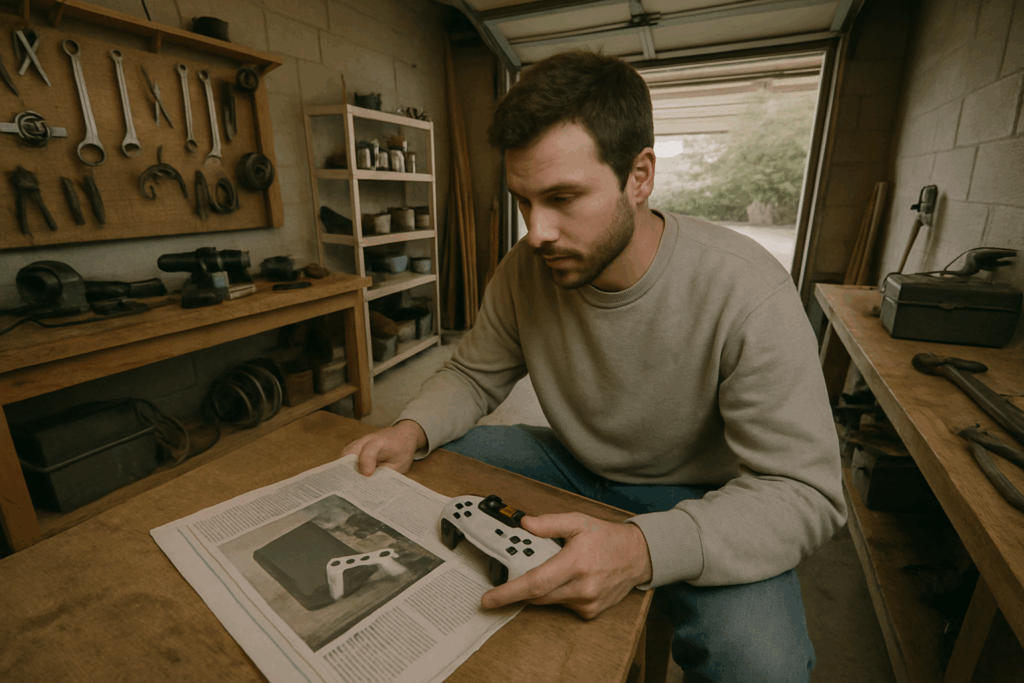
Meanwhile, controllers are quietly evolving. Haptics have gone from gimmick to baseline. Modular parts swappable sticks, programmable paddles are giving pro and casual players more control than ever. Even accessibility is finally getting real attention, with hardware built for gamers with different physical needs. It’s not flashy headline stuff, but these changes stack up where it matters: in actual play.
Game Releases That Shifted the Landscape
2023 pushed the boundaries for console games, and not just at the surface. AAA heavyweights like “Starfield,” “Spider Man 2,” and “Final Fantasy XVI” didn’t just show off with visuals they stretched what current gen consoles can handle. We’re talking expanded open worlds, ray tracing that feels baked in, tighter loading times, and deeper simulation under the hood. For better or worse, these titles raised expectations across the board.
On the indie front, a few surprising standouts outperformed both financially and creatively. Titles like “Dave the Diver” and “Sea of Stars” proved that polish, tight mechanics, and a clear creative vision can still cut through the noise even without a blockbuster budget. More players are finding joy in smaller, more focused games which means more devs are willing to bet on those concepts.
Exclusivity also came back swinging. Sony leaned hard on timed releases and first party dominance, while Microsoft doubled down on Game Pass as a way to tie loyalty directly to access. Nintendo, as ever, did their own thing, but it still worked. Platform allegiance is now as much about perks and content timing as it is about console preference. That’s not going away.
One thing is clear: in this cycle, great games talk loud. But where you can play them and when talks louder.
Live Service Evolved and Got Smarter

Game studios finally seem to be learning from the GaaS missteps of the last few years. Bloated roadmaps, grind heavy reward systems, and inconsistent content left players burned out or worse, gone. In 2024, the smarter players are tightening the loop: smaller, more focused teams, faster iteration, and tight feedback cycles are the new baseline.
What’s working? Timely, meaningful content drops that actually align with the way people play. Less filler. More signal. Seasonal updates now feel more like moments and less like chores. Games that actually listen flexing progression mechanics, dialing back the FOMO are earning long term loyalty without burning out their base.
Monetization, too, is rebalancing. Studios are beginning to ditch the predatory vibe for something more open. Battle passes with better value, no surprise paywalls, more transparent drop rates it’s not perfect, but it’s miles better than it was. Simply put: the live service model isn’t dying. It’s growing up.
Cross Platform and Cloud Are Actually Happening
For years, cross play was a buzzword with more friction than follow through. Now? It’s becoming default. Games like Fortnite and Call of Duty blurred the lines, and players expect to squad up regardless of console. But not all platforms are on board equally. Nintendo still plays it cautious, and Sony has been selective. Holdouts are shrinking, though peer pressure and player demand are pushing the industry toward openness.
Cloud gaming, once dismissed as laggy vaporware, quietly leveled up. Services like Xbox Cloud Gaming and Nvidia GeForce Now are now woven into the broader console strategy, especially with handheld hybrids like the ASUS ROG Ally and Steam Deck gaining traction. Gamers are slipping between devices mid session without needing a high end rig nearby.
As cloud and cross play infrastructure mature, subscription models are reshaping how players think about ownership. With Game Pass, PS Plus, and other bundled libraries, the idea of collecting physical games is fading. It’s less about what you own and more about what ecosystem you’re locked into. Loyalty now hinges on access, not shelf space.
Cross platform isn’t just convenient anymore it’s expected. And the console ecosystem is finally adjusting to that reality.
Backend Fixes You Probably Missed
Console gaming isn’t all about blockbuster titles and flashy hardware much of this year’s most impactful innovation happened behind the scenes. These backend adjustments haven’t made headlines, but they’ve contributed to a noticeably smoother experience for gamers everywhere.
Subtle Yet Significant System Improvements
Ongoing software support has led to stronger, more cohesive platforms across consoles. This includes:
OS Updates: Streamlined navigation, snappier multitasking tools, and better background resource management.
UI Tweaks: Cleaner menus, custom layout options, improved accessibility settings.
Firmware Refinements: Boosted controller syncing, battery optimization, and fewer reconnection issues.
These changes may not dazzle in patch notes, but together, they shape a more polished gaming session from boot up to shut down.
Next Gen Loading is Finally Real
One of the most noticeable evolutions? Loading times. With faster SSDs and smarter data streaming:
Level transitions feel nearly seamless
Fast travel and respawns are instant or close
Boot times are reduced across multiple titles
After years of promises, lightning fast loading is no longer a next gen “promise” it’s the norm.
Equal Footing Across Platforms
Performance parity has become a priority, especially for multiplatform releases. Studios are working harder to ensure that no matter which console gamers choose:
Frame rates remain consistent
Visuals aren’t significantly downgraded on one system
Day one patches help iron out platform specific issues
Greater parity means better competition and better choices for gamers.
Where the Industry Is Headed
AI is finally doing more than pathfinding and idle animations. Games in 2024 are quietly being transformed by smarter NPCs and adaptive storylines. Some studios are testing NPC behavior that remembers past player choices or even reacts conversationally in real time. It’s not full blown sentience, but it’s affecting immersion in a real way. For open world games and RPGs, this is a step change. Interactions feel more alive, less scripted. The line between main quests and emergent moments is starting to blur.
On the hardware front, sustainability isn’t just PR anymore. Console makers are rolling out recyclable packaging, lower power modes, and modular designs meant to extend life cycles. It’s not perfect, but the industry is clearly catching on that gamers care especially as manufacturing scrutiny ramps up.
Meanwhile, mergers and acquisitions keep reshaping the map. Every time two publishers combine forces, the result is fewer choices and tighter IP control. Sometimes gamers win like when subscriptions expand library access. But it also means more exclusivity, more reshuffled studios, and inevitably, more games stuck in limbo post merge. If you’re wondering why your favorite series feels AWOL, consolidation may be the reason.
For ongoing coverage, visit console gaming updates. Don’t miss more deep dives like console gaming updates.
 Lorvina Talvessa is the kind of writer who genuinely cannot publish something without checking it twice. Maybe three times. They came to game strategy guides through years of hands-on work rather than theory, which means the things they writes about — Game Strategy Guides, Gaming News and Updates, Player Insights and Reviews, among other areas — are things they has actually tested, questioned, and revised opinions on more than once.
That shows in the work. Lorvina's pieces tend to go a level deeper than most. Not in a way that becomes unreadable, but in a way that makes you realize you'd been missing something important. They has a habit of finding the detail that everybody else glosses over and making it the center of the story — which sounds simple, but takes a rare combination of curiosity and patience to pull off consistently. The writing never feels rushed. It feels like someone who sat with the subject long enough to actually understand it.
Outside of specific topics, what Lorvina cares about most is whether the reader walks away with something useful. Not impressed. Not entertained. Useful. That's a harder bar to clear than it sounds, and they clears it more often than not — which is why readers tend to remember Lorvina's articles long after they've forgotten the headline.
Lorvina Talvessa is the kind of writer who genuinely cannot publish something without checking it twice. Maybe three times. They came to game strategy guides through years of hands-on work rather than theory, which means the things they writes about — Game Strategy Guides, Gaming News and Updates, Player Insights and Reviews, among other areas — are things they has actually tested, questioned, and revised opinions on more than once.
That shows in the work. Lorvina's pieces tend to go a level deeper than most. Not in a way that becomes unreadable, but in a way that makes you realize you'd been missing something important. They has a habit of finding the detail that everybody else glosses over and making it the center of the story — which sounds simple, but takes a rare combination of curiosity and patience to pull off consistently. The writing never feels rushed. It feels like someone who sat with the subject long enough to actually understand it.
Outside of specific topics, what Lorvina cares about most is whether the reader walks away with something useful. Not impressed. Not entertained. Useful. That's a harder bar to clear than it sounds, and they clears it more often than not — which is why readers tend to remember Lorvina's articles long after they've forgotten the headline.