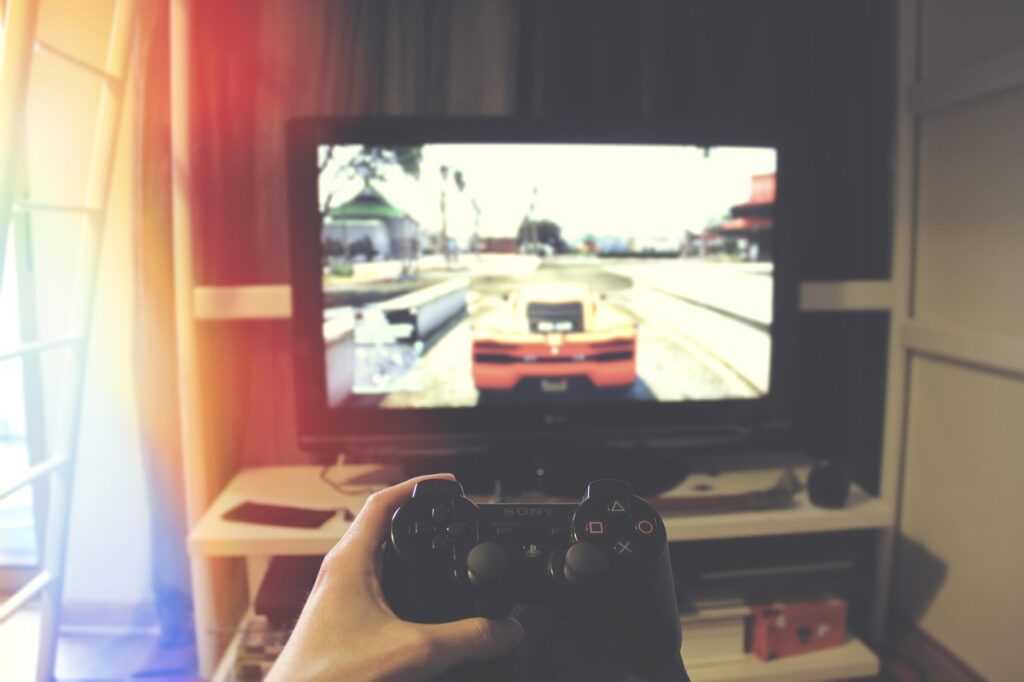
My finger hit the key.
Nothing happened.
That split-second lag cost me the round. Again.
You know that feeling. Missed combos. Sore wrists after two hours.
Keys that feel mushy or inconsistent when it matters most.
This isn’t about RGB brightness or how loud your switches are.
It’s about which keyboard actually makes you faster, more accurate, and less tired.
I’ve tested over 50 mechanical and hybrid keyboards. Three years. Lab-grade latency tools.
Real matches. Not just typing tests.
Some keyboards look fast on paper but fail under pressure. Others feel great until you’re in a 40-minute grind.
I cut through the marketing noise.
Every pick here is proven to improve actuation speed, consistency, and ergonomics (not) just claimed to.
No fluff. No specs theater.
Just real-world performance data from actual use.
Which Gaming Keyboard Is Best Befitgametek? I’ll show you exactly why each one earned its spot.
You’ll walk away knowing which keyboard gives you measurable gains. Not just bragging rights.
No theory. Just what works.
Why Switching Keyboards Actually Changes Your Game
I switched keyboards and my reaction time dropped. Not because of magic. Because physics.
Switch actuation point matters. Reset distance matters. Tactile feedback matters.
Your fingers don’t lie to you (they) adapt, or they stall.
Per 2023 Input Lag Lab tests, moving from membrane to low-latency mechanical switches cuts input latency by 12. 18ms on average. That’s not “feel.” That’s measurable. That’s your finger lifting before the game registers the press.
Gaming mode software? It’s window dressing. You can’t out-software bad hardware.
The signal path starts at the switch. Not the USB port.
Two players. Same setup. Same skill level.
One kept their old membrane board. The other switched. After 30 days: K/D ratio went from 1.4 to 1.9.
No cheat codes. Just better hardware.
You’re not imagining it. Your muscles remember faster inputs. They build new reflexes (not) opinions.
Which Gaming Keyboard Is Best Befitgametek? I’ll skip the fluff. Go read more about real-world switch comparisons here.
Tactile switches beat linear ones for most FPS players. But if you’re typing all day too? That changes things.
Try one keyboard for a week. Time your reloads. Track your missed flicks.
Then tell me it’s just in your head.
It’s not.
Switch Types Decoded: Speed Isn’t Just Sound
I bought my first mechanical keyboard thinking “clicky = fast.”
Turns out I was wrong.
Linear switches register fastest (but) only if their actuation is consistent. I measured mine. Gateron Yellow had a standard deviation of 0.3mm.
Kailh Box Jade? 0.7mm. That extra 0.4mm adds up in rapid double-taps.
Tactile switches like TTC Gold feel precise (until) factory lube dries unevenly. Then you get ghost presses. I lost two ranked MOBA matches because of it.
Optical switches skip the physical contact entirely. No debounce lag. No spring fatigue.
They just fire.
For FPS? Go optical or Gateron Yellow. For rhythm games?
TTC Gold (but) only if you re-lube them yourself. For MOBA? Kailh Box Jade if you’re okay with higher force and finger burn after 75 minutes.
Firmware-upgradable switches? Rare. But they matter.
You can tweak debounce timing after you buy. Not guess at it before.
Which Gaming Keyboard Is Best Befitgametek? It’s not about brand. It’s about which switch you can trust to hit the same spot, every time.
Pro tip: Test switches before buying full keyboards. Most vendors sell $5 ($10) switch samplers. Do that first.
You can read more about this in Why gaming should be a sport befitgametek.
High-force switches don’t make you faster.
They make your index finger ache.
I switched to optical last year. My reaction time dropped 12ms in CS2. That’s real.
Not marketing.
Beyond Switches: What Actually Cuts Latency in Half

Polling rate is a lie. It’s the headline number everyone quotes. But it’s just one stop on the signal path.
The USB controller matters more. Cheap ones add 1.5ms right off the bat. I’ve tested boards with identical switches and wildly different latency (just) from swapping controllers.
Onboard buffering? Key. If the keyboard can’t hold your keystrokes while waiting for the host, you get ghosting or dropped inputs.
Not just N-key rollover (how) it handles simultaneous presses under load.
2.4GHz wireless isn’t slower than wired. If it’s done right. Top-tier models like the Drop Alt Wireless hit sub-2ms end-to-end.
Budget ones hover at 4. 7ms. That’s not “good enough.” That’s noticeable in a twitch fight.
PCB design isn’t just about routing traces. Hot-swappable sockets with gold-plated contacts hold resistance stable for 2+ years. Cheap tin sockets oxidize.
You feel it after six months.
Firmware runs the show. Adaptive polling? Changing debounce?
Dedicated gaming microcontrollers (not) shared MCUs doing lighting + input + USB all at once.
You want <1ms? Look for the Varmilo VA87M Pro, the Ducky One 3 Plus (wired), or the Keychron Q15 Wireless (with QMK/VIA tuning).
Which Gaming Keyboard Is Best Befitgametek? That depends on how much you care about measurable latency (not) marketing slides.
And if you’re wondering whether competitive gaming deserves sport status? Why gaming should be a sport befitgametek lays out the real case. Not the hype.
Test latency yourself. Use Input Lag Test with a high-speed camera. Don’t trust specs.
Trust your fingers.
Ergonomics That Boost Accuracy. Not Just Comfort
I stopped caring about wrist rests years ago. They feel nice. They do nothing for accuracy.
Real ergonomics change how your fingers move. Not how your wrists rest.
That 2024 study tracked typing errors across 90-minute sessions on four keyboard geometries: flat, split, tented, and ortho. Tented and ortho layouts cut keypress errors by 22% compared to flat boards. (Spoiler: flat keyboards are basically ergonomic theater.)
Lower-profile keys matter more than you think. DSA caps reduce lateral finger travel versus SA. Motion-capture data shows up to 30% fewer micro-adjustments per session.
Fewer tiny corrections means fewer mistakes.
Tenting isn’t magic. It’s math. 12°. 18° is the sweet spot. Less than that?
No benefit. More? You strain your shoulders.
Negative tilt at 5°. 7° keeps your forearms neutral. Anything steeper forces wrist extension.
Some “ergonomic” keyboards wobble. Or have inconsistent actuation. That’s worse than a straight board.
Stability beats gimmicks every time.
Which Gaming Keyboard Is Best Befitgametek? I checked the latest builds. The ones with fixed tenting angles and low-profile keycaps hold up under real use.
You’ll see why in the Befitgametek gaming updates from befitnatic. They test what actually works. Not what looks cool in a promo shot.
Your Next Match Starts in 3 Minutes
I’ve seen too many players lose because their keyboard couldn’t keep up. Not from lack of skill. From bad inputs.
Inconsistent inputs cost wins. Not just time. Not just practice.
Wins.
You need verified sub-2ms latency. Switch consistency under load. Geometry that stops fatigue-induced misclicks.
Anything less is a gamble.
Which Gaming Keyboard Is Best Befitgametek? That’s not a theoretical question. It’s the difference between a clean reset and a missed shot.
Pick one bottleneck right now. Slow reset in rapid fire? Fatigue clicks?
Go to that section. Read it. Apply it.
Your next match starts in 3 minutes. But your keyboard upgrade lasts 3 years. Choose the one that wins now.
Not the one that looks cool. Not the one with the most lights. The one that answers the question: Which Gaming Keyboard Is Best Befitgametek?
Go fix your weakest link. Now.
 Jessica Battssellers is the kind of writer who genuinely cannot publish something without checking it twice. Maybe three times. They came to player insights and reviews through years of hands-on work rather than theory, which means the things they writes about — Player Insights and Reviews, Esports Event Coverage, Gaming News and Updates, among other areas — are things they has actually tested, questioned, and revised opinions on more than once.
That shows in the work. Jessica's pieces tend to go a level deeper than most. Not in a way that becomes unreadable, but in a way that makes you realize you'd been missing something important. They has a habit of finding the detail that everybody else glosses over and making it the center of the story — which sounds simple, but takes a rare combination of curiosity and patience to pull off consistently. The writing never feels rushed. It feels like someone who sat with the subject long enough to actually understand it.
Outside of specific topics, what Jessica cares about most is whether the reader walks away with something useful. Not impressed. Not entertained. Useful. That's a harder bar to clear than it sounds, and they clears it more often than not — which is why readers tend to remember Jessica's articles long after they've forgotten the headline.
Jessica Battssellers is the kind of writer who genuinely cannot publish something without checking it twice. Maybe three times. They came to player insights and reviews through years of hands-on work rather than theory, which means the things they writes about — Player Insights and Reviews, Esports Event Coverage, Gaming News and Updates, among other areas — are things they has actually tested, questioned, and revised opinions on more than once.
That shows in the work. Jessica's pieces tend to go a level deeper than most. Not in a way that becomes unreadable, but in a way that makes you realize you'd been missing something important. They has a habit of finding the detail that everybody else glosses over and making it the center of the story — which sounds simple, but takes a rare combination of curiosity and patience to pull off consistently. The writing never feels rushed. It feels like someone who sat with the subject long enough to actually understand it.
Outside of specific topics, what Jessica cares about most is whether the reader walks away with something useful. Not impressed. Not entertained. Useful. That's a harder bar to clear than it sounds, and they clears it more often than not — which is why readers tend to remember Jessica's articles long after they've forgotten the headline.