You’ve seen it.
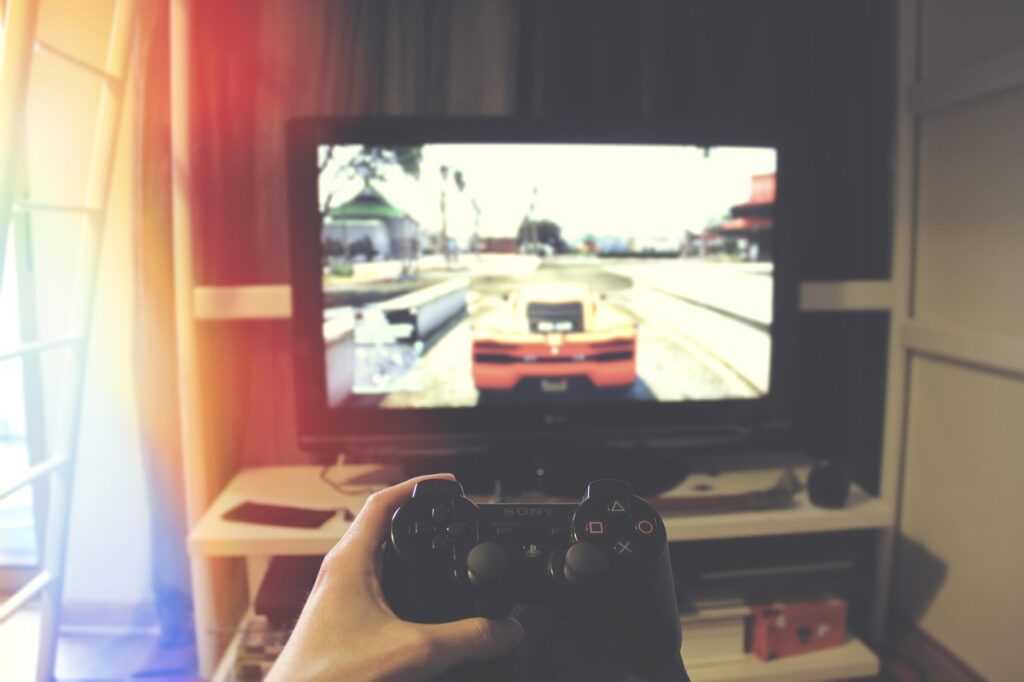
That kid in your living room, hunched over Minecraft, building something that looks suspiciously like a physics lab.
I watched a 12-year-old use redstone circuits to simulate gravity and friction for his science fair project. No teacher asked him to. He just did it.
And yet you still hear the same line: “Put the controller down. Go study.”
Here’s what I know for sure. Why Video Games Are Educational Togplayering isn’t hype. It’s measurable. Real.
I’ve read the peer-reviewed studies. The ones in Educational Psychology Review. The longitudinal data from Oxford’s Digital Wellbeing Lab.
They show kids who play intentionally. Not mindlessly (build) working memory, spatial reasoning, and collaborative problem-solving faster than peers who don’t.
Most parents and teachers miss this because gaming gets lumped in with passive screen time. It’s not the same thing. Not even close.
This article cuts through the guilt. No fluff. No vague claims.
You’ll get clear evidence. Specific skills. Actual classroom outcomes.
Not theory. What actually works.
Brain Gains: Not Just Button-Mashing
I played Civilization VI while studying for finals. Not instead of studying. While studying.
You hold cities, tech trees, diplomacy, and military threats all at once. That’s not entertainment. That’s working memory on repeat.
Portal forces you to map space, physics, and timing in real time.
No pause menu for your prefrontal cortex.
A 2023 meta-analysis found adolescents who played games like these three hours a week showed 12. 18% average gains in executive function tasks. Not “slight improvement.” Not “maybe.” Twelve to eighteen percent. The study included over 4,200 kids across 17 countries.
(Source: Nature Human Behaviour, 2023)
Passive scrolling? Zero neural lift. Watching someone else play Starcraft II?
Also zero. But goal-directed play (where) you set the objective, weigh trade-offs, and adjust mid-action. That rewires circuits.
Teachers use Starcraft II replays in class.
They pause at decision points: “What happens if you build barracks before scouting?”
Students debate resource allocation like economists.
This isn’t theory. It’s happening in Brooklyn middle schools right now.
Togplayering maps how this kind of intentional play builds real cognitive scaffolding.
Why Video Games Are Educational Togplayering isn’t a slogan.
It’s a measurable shift in how brains organize information.
You think multitasking is hard? Try holding six unit types, terrain modifiers, and enemy cooldowns in your head while deciding whether to rush or turtle.
That’s not distraction.
That’s training.
And it sticks.
Story Games Are Secret Reading Teachers
I used The Witcher 3 with my seventh graders last year. Not as a treat. As vocabulary boot camp.
They read menus, letters, quest logs. All dense, layered, full of idioms and shifting tone. No worksheets.
Just playing. And yes, they asked what “sycophantic” meant. (I love that.)
A 2022 study found middle school ELL students gained 27% more in reading comprehension after eight weeks of guided play with subtitled narrative games. Not flashcards. Not drills.
Just Gone Home and Spirit Island, with teacher-led pauses.
You don’t absorb syntax by memorizing rules. You absorb it by choosing how Geralt responds (formal) or sarcastic, deferential or blunt. That’s pragmatic language use in real time.
What does this character’s word choice reveal about their motivation? That’s the prompt I hand out. Every time.
Player agency forces grammar awareness. Pick the wrong register? The NPC walks away.
No red X on a screen (just) consequence. Real stakes.
Some people still say video games rot your brain.
I say they’re building inference muscles while you’re busy saving the world.
Why Video Games Are Educational Togplayering isn’t a slogan. It’s what happens when you let kids wrestle meaning from dialogue trees instead of isolated sentences.
Pro tip: Turn off auto-advance subtitles. Let them linger. Let them re-read.
Let them lean in.
Games That Teach How to Work Together
Overcooked! isn’t just chaos. It’s a crash course in shouting clear instructions while your teammate burns the soup.
I’ve watched teens argue over who grabs the plates (and) then pivot, mid-fire, to say “You chop, I’ll plate” like it’s second nature.
That’s not magic. That’s real-time feedback loops built into play.
Keep Talking and Nobody Explodes? One person sees the bomb. The other reads the manual.
Neither can win without listening, paraphrasing, and checking assumptions.
Sound familiar? It should. That’s how real teams function.
A 2021 study in the Journal of Youth and Adolescence found teens who played team-based games regularly scored higher on empathy and conflict resolution tests. Not slightly higher. Noticeably higher.
Digital citizenship isn’t some abstract classroom topic. It lives in guild charters. In mute buttons.
In reporting tools that actually get reviewed.
Those aren’t features. They’re ethics labs with consequences.
Want something concrete to try tomorrow? Sit down with your students or kids and draft a Gameplay Agreement. No jargon.
Just three lines: what respect sounds like, how you’ll handle frustration, and one shared goal per session.
The Togplayering gameplay guide by thinkofgamers has templates for this. Tested in actual classrooms.
Why Video Games Are Educational Togplayering? Because they force collaboration before you get to choose your role.
You don’t learn teamwork by reading about it. You learn it when the timer hits 0:17 and someone says “Wait. I’ll reset the fuse.”
STEM Learning in Action: Coding to Systems Thinking

I built my first game in Scratch at 13. It crashed every time the cat jumped. I fixed it.
Then broke it again. That loop is learning.
Roblox Studio, Scratch, Dreams (they’re) not toys. They’re computational thinking on-ramps. No syntax errors blocking you before you even understand what a loop is.
Sixty-eight percent of high schoolers in a 2023 ISTE pilot felt more confident debugging logic after building simple game mechanics. (That’s not fluff. It’s data.)
Sandbox games do heavier lifting. Terraria teaches resource scarcity. Kerbal Space Program forces orbital math (no) lecture needed.
You fail, adjust thrust, and try again. That’s hypothesis testing with consequences.
Minecraft: Education Edition? Used it to simulate Roman aqueducts. Students measured flow rates, debated slope angles, argued about labor allocation.
One class mapped a food web across biomes (then) watched it collapse when they removed wolves.
Why Video Games Are Educational Togplayering isn’t a slogan. It’s what happens when kids stop pressing buttons and start asking why the system behaves that way.
Pro tip: Start with one mechanic. A jump. A timer.
A spawn rule. Master that before adding ten more.
You don’t need a lab. You need curiosity. And something that breaks in interesting ways.
How to Pick Games That Actually Teach
I use a three-part filter. Purpose first. What skill or concept does this game target?
If you can’t name it in one sentence, skip it.
Playability next. Is scaffolding built-in? Can difficulty adjust without resetting everything?
(Most don’t.)
Reflection last. Are there natural pause points for discussion or journaling? Or does it just dump you back to the menu?
Here are five games I’ve tested in real classrooms:
- Prodigy Math: Grades 1 (8.) Free core. Adaptive but noisy UI.
- DragonBox Algebra: Grades 4 (7.) One-time purchase. Teaches symbols before syntax.
- Civilization VI (Education Edition): Grades 9 (12.) Free for schools. Needs prep.
- Zoombinis: Grades 3. 8. Free via MIT. Logic puzzles with zero text.
- Minecraft: Education Edition: Grades K. 12. School license required. Not the same as retail.
Flashy graphics without feedback? That’s edutainment. It looks busy.
It feels productive. It isn’t.
Why Video Games Are Educational Togplayering isn’t about screen time. It’s about intention.
Grab the 90-second checklist. It fits on one sticky note. You’ll know faster if a game pulls weight.
You can read more about this in Togplayering Gameplay Advice From Thinkofgamers.
For deeper gameplay strategies, this guide helped me stop guessing.
Play With Purpose (Not) Just Hours
I’ve seen kids zone out for hours. I’ve also seen them argue passionately about resource allocation in Minecraft. Same game.
Different intent.
It’s not whether they play.
It’s Why Video Games Are Educational Togplayering (how) and why they play that changes everything.
Cognitive lift? Check. Language growth?
Happens. Social-emotional practice? Real.
STEM thinking? Built in.
You don’t need more games.
You need one intentional 20-minute session.
Open Section 5. Pick one game. Play it with a lens (like) “What choice required planning?”
Then ask your kid one question about it.
That’s it. No lesson plan. No grading.
Just presence.
The controller isn’t the barrier to learning. It’s the most underused tool in your teaching toolkit.
Go play.
 Jessica Battssellers is the kind of writer who genuinely cannot publish something without checking it twice. Maybe three times. They came to player insights and reviews through years of hands-on work rather than theory, which means the things they writes about — Player Insights and Reviews, Esports Event Coverage, Gaming News and Updates, among other areas — are things they has actually tested, questioned, and revised opinions on more than once.
That shows in the work. Jessica's pieces tend to go a level deeper than most. Not in a way that becomes unreadable, but in a way that makes you realize you'd been missing something important. They has a habit of finding the detail that everybody else glosses over and making it the center of the story — which sounds simple, but takes a rare combination of curiosity and patience to pull off consistently. The writing never feels rushed. It feels like someone who sat with the subject long enough to actually understand it.
Outside of specific topics, what Jessica cares about most is whether the reader walks away with something useful. Not impressed. Not entertained. Useful. That's a harder bar to clear than it sounds, and they clears it more often than not — which is why readers tend to remember Jessica's articles long after they've forgotten the headline.
Jessica Battssellers is the kind of writer who genuinely cannot publish something without checking it twice. Maybe three times. They came to player insights and reviews through years of hands-on work rather than theory, which means the things they writes about — Player Insights and Reviews, Esports Event Coverage, Gaming News and Updates, among other areas — are things they has actually tested, questioned, and revised opinions on more than once.
That shows in the work. Jessica's pieces tend to go a level deeper than most. Not in a way that becomes unreadable, but in a way that makes you realize you'd been missing something important. They has a habit of finding the detail that everybody else glosses over and making it the center of the story — which sounds simple, but takes a rare combination of curiosity and patience to pull off consistently. The writing never feels rushed. It feels like someone who sat with the subject long enough to actually understand it.
Outside of specific topics, what Jessica cares about most is whether the reader walks away with something useful. Not impressed. Not entertained. Useful. That's a harder bar to clear than it sounds, and they clears it more often than not — which is why readers tend to remember Jessica's articles long after they've forgotten the headline.