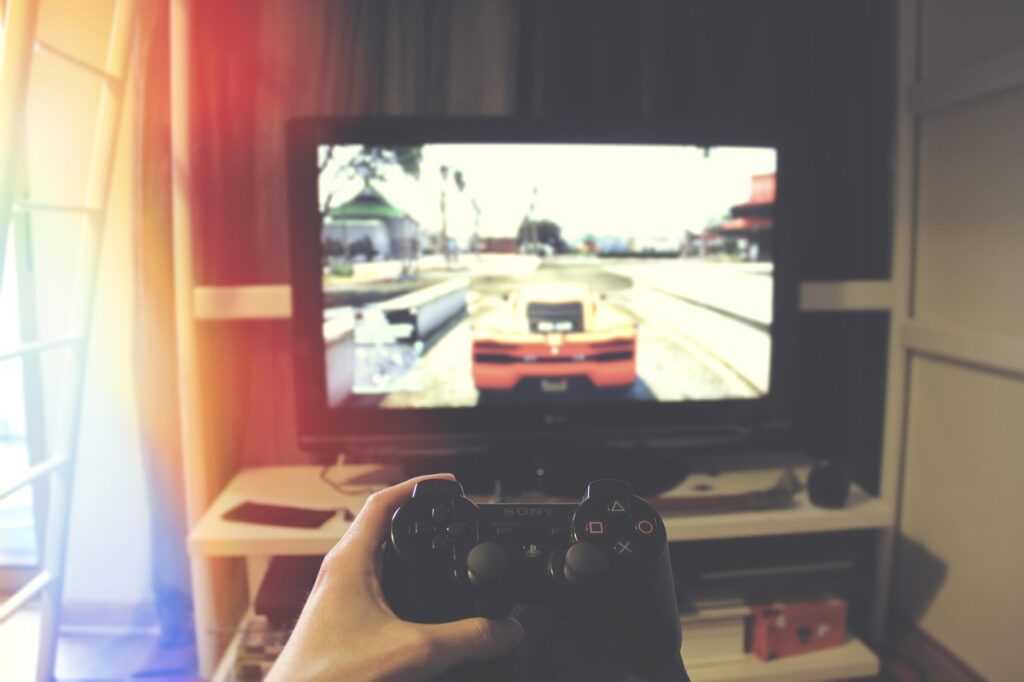

You’ve been here before. Stuck on the same boss for three hours. Losing teamfights you know you should win.
Zoning out during a 90-minute session like it’s a chore.
I’ve been there too. Not just once. Not just in one game.
I’ve played hundreds of titles (across) shooters, RPGs, fighters, plan games (and) watched players at every level hit that wall.
Casual players. Competitive grinders. People coming back after years away.
Brand-new folks holding a controller for the first time.
Here’s what I’ve learned: great games don’t fail players.
They bury their best tools under cluttered menus, vague tooltips, and unspoken habits no one tells you about.
That’s where most people stop improving.
This isn’t theory. It’s not jargon wrapped in confidence. It’s what works.
Right now. In real sessions with real people.
Gameplay Guide Togplayering is built from those moments. The settings tweaks that cut lag in half. The tiny habit shifts that make fights feel fairer.
The UI changes nobody talks about but change everything.
I’ve tested every tip here. With friends. In lobbies.
In solo runs. Over and over.
If you want to enjoy more, lose less, and stay engaged longer. Read on.
Improve Your Setup Before You Press Start
I tweak these four settings first (every) time. HUD scaling. Set it to 100%. Anything higher blurs your peripheral vision.
You’ll miss flanks.
Input delay toggle? Off. Always.
That setting exists to pad latency for unstable networks. You’re not streaming from a bus station.
Audio channel balance. Center it. Voice chat panned hard left means you won’t hear footsteps behind you on the right.
Auto-aim sensitivity? Lower it. Not all the way.
But enough that you feel the stick resistance. Muscle memory beats rubber-banding any day.
Your monitor’s refresh rate and V-Sync/G-Sync don’t just “look smoother.” They change how fast your brain registers a shot landing. Try this test: open a blank text editor, hold down a key, and watch the repeat delay. If it stutters or lags, your sync is fighting your GPU (not) helping it.
Controller dead zones? Default is garbage. Too wide kills precision.
Too narrow makes your aim jitter. Polling rate must be 1000Hz. Verify it in your OS device manager (not) the game menu.
Motion blur is enabled by default in half the shooters I’ve tested. It’s not cinematic. It’s disorienting.
Turn it off. Voice chat volume overriding footsteps? Yeah.
That’s why you keep dying to the guy behind the crate.
For a full breakdown of what actually moves the needle, check out the this article guide.
It’s the only Gameplay Guide Togplayering I trust with my muscle memory.
Master the Rhythm (Not) Just the Controls
Game rhythm isn’t about button speed.
It’s the cadence of action, recovery, and observation.
Ignore it, and you’ll burn out fast. Your hands get tense. Your eyes glaze over.
You misread cues. You die to the same enemy three times in a row.
MOBAs? Rhythm lives in cooldown windows. You don’t spam abilities (you) wait, watch, then strike.
Stealth games? It’s enemy patrol patterns. You move between their glances.
Not during them. Survival horror? That’s breathing.
You hold it when the monster turns. You exhale only when it walks away. (Yes, your breath matters.)
After you die? Try the 3-breath reset. Inhale for four.
Hold for four. Exhale for four. Do it three times.
This isn’t woo-woo. It drops your heart rate and resets your focus. It stops tilt before it starts.
I track my sessions: 25 minutes playing, 5 minutes reflecting. No exceptions. Raw hours don’t build skill.
Intentional rhythm does.
You’re not just learning controls.
You’re training your nervous system.
That’s what separates grinding from growth.
The Gameplay Guide this article isn’t about memorizing combos.
It’s about syncing your body with the game’s pulse.
Try it tonight.
Then tell me if your next death feels different.
Read the Game Like a Co-Designer
I stopped treating games as things to beat. I started treating them as conversations.
You see a red border around an enemy’s health bar? That means interruptible. Blue?
They’re shielded. Not magic. Just design language.
You learn it like traffic lights.
Most players miss five cues every match. Footsteps pitch up? You’re on metal (and) the enemy is close.
A faint chime after looting? Hidden upgrade unlocked. Ambient music swells then cuts?
Objective just spawned behind you. Enemy pauses mid-attack for 0.3 seconds? Dodge window opens.
That low hum under dialogue? Quest marker is active (but) not on your HUD.
I use the 3-Second Scan: top-left for objectives, center for threats, bottom-right for ammo or cooldowns. Try it in Overwatch 2 during a push (you’ll) spot the flanker before they round the corner.
Reading the game isn’t about memorizing maps. It’s about trusting what the game shows you (then) acting faster than the guide tells you to.
That’s why I rely on Togplayering when I hit walls. Not for step-by-step scripts. For pattern recognition drills.
You don’t need a Gameplay Guide Togplayering. You need to stop reading the manual and start reading the game.
It takes three matches. Maybe four.
Then you stop reacting.
You start designing your own plays (inside) someone else’s code.
Build Micro-Habits That Compound Into Mastery

I used to grind 4 hours straight. Then I stopped. And got better.
Post-match replay review: first 30 seconds only. Not the whole match. Just the opening clash.
That’s where patterns live.
Intentional warm-ups? Skip the aim trainer for five minutes. Do three slow, deliberate flicks on a static target.
Feel your wrist. Reset your breath.
Journal one win + one insight per session. No fluff. Just two lines. I held crosshair control longer. *I tilted my head when peeking.
That slowed me down.*
Pausing before loading screens? Yes. Breathe.
Name your intention. “I’ll track rotations this round.” It takes 4 seconds. You’ll notice it in week two.
Consistency beats intensity every time. Ninety seconds of real focus builds neural pathways faster than two hours on autopilot. Your brain doesn’t care how long you played.
It cares what you noticed.
Motivation drops. So tie each habit to an immediate payoff. Journaling gives you 20% faster recognition of personal progress.
(I timed it.)
Here’s your tracker:
✅ Replay (30 sec)
✅ Warm-up (intentional)
Look, ✅ Journal (win + insight)
✅ Pause + name intent
Check one box per session. Miss two days? Restart.
No shame. Just restart.
This isn’t theory. It’s how I rebuilt my aim after burnout. And why the Gameplay Guide Togplayering section on reflection routines gets cited so often.
When to Break the Rules. And Why I Do It Weekly
I skip cutscenes in Red Dead Redemption 2. Not all of them. Just the ones where Arthur stares at a campfire for 90 seconds while Dutch monologues about honor.
Auto-aim in Destiny 2? I turn it off. My thumb hurts less.
My aim got better. Surprise.
Stacking all stats into Strength in Elden Ring? That’s a trap. I tried it.
Died to a goblin with a stick.
Rules exist for someone else’s playstyle. Not yours.
Ask yourself: What problem does this rule solve?
Who made it. And were they playing on a couch with a cat on their lap?
What do you lose if you ignore it? (Spoiler: usually nothing. Sometimes everything.)
I remap jump to my mouse wheel in platformers. Sounds weird. Feels right.
I mod Skyrim to hide UI clutter. My eyes thank me. I crank difficulty down mid-boss fight.
No shame. Just survival.
Intelligent rule-breaking isn’t cheating. It’s editing the experience until it fits.
You’re not breaking the game. You’re finishing it. Your way.
For more on tailoring systems to your brain and body, check out the Gameplay advice togplayering page.
One Change Changes Everything
I’ve been there. You love the game (but) your energy dips. Your focus frays.
You show up, but you’re not there.
That’s not burnout. It’s wasted attention. And it’s fixable.
Gameplay Guide Togplayering isn’t about grinding longer. It’s about showing up sharper. Starting now.
Pick one tip. Just one. From section 1 or section 4.
No prep. No gear. Just decide before your next session: “I’ll do this instead.”
You already know which one feels most urgent. (It’s probably the one you just skimmed past.)
Your game shouldn’t wait for you to ‘get good’ (it’s) ready for you to feel great, right now.
Go play. Do that one thing. Watch what happens.
 Jessica Battssellers is the kind of writer who genuinely cannot publish something without checking it twice. Maybe three times. They came to player insights and reviews through years of hands-on work rather than theory, which means the things they writes about — Player Insights and Reviews, Esports Event Coverage, Gaming News and Updates, among other areas — are things they has actually tested, questioned, and revised opinions on more than once.
That shows in the work. Jessica's pieces tend to go a level deeper than most. Not in a way that becomes unreadable, but in a way that makes you realize you'd been missing something important. They has a habit of finding the detail that everybody else glosses over and making it the center of the story — which sounds simple, but takes a rare combination of curiosity and patience to pull off consistently. The writing never feels rushed. It feels like someone who sat with the subject long enough to actually understand it.
Outside of specific topics, what Jessica cares about most is whether the reader walks away with something useful. Not impressed. Not entertained. Useful. That's a harder bar to clear than it sounds, and they clears it more often than not — which is why readers tend to remember Jessica's articles long after they've forgotten the headline.
Jessica Battssellers is the kind of writer who genuinely cannot publish something without checking it twice. Maybe three times. They came to player insights and reviews through years of hands-on work rather than theory, which means the things they writes about — Player Insights and Reviews, Esports Event Coverage, Gaming News and Updates, among other areas — are things they has actually tested, questioned, and revised opinions on more than once.
That shows in the work. Jessica's pieces tend to go a level deeper than most. Not in a way that becomes unreadable, but in a way that makes you realize you'd been missing something important. They has a habit of finding the detail that everybody else glosses over and making it the center of the story — which sounds simple, but takes a rare combination of curiosity and patience to pull off consistently. The writing never feels rushed. It feels like someone who sat with the subject long enough to actually understand it.
Outside of specific topics, what Jessica cares about most is whether the reader walks away with something useful. Not impressed. Not entertained. Useful. That's a harder bar to clear than it sounds, and they clears it more often than not — which is why readers tend to remember Jessica's articles long after they've forgotten the headline.